Synthesis Essay Final Draft
My name is Yanely Marte and I decided to write my Synthesis essay on code-switching. In this essay I talk about the concept of code-switching and its significance in shaping identity, strengthening communication and social belonging. My goal in writing this piece was to educate people and examine how people consciously and unconsciously shift their language and tone depending on who they’re around. And by doing this I researched and selected sources that offered a range of perspectives from personal narratives to academic discussions to help me illustrate both the challenges and the advantages of code-switching.
As I drafted and revised this essay I worked on making sure my audience understood what I was trying to imply when writing about this topic. My intended audience is teenagers and the point of this essay is to try to inform these kids on what code-switching is and how it plays a big role in everyone’s life. One of my main focuses was trying to add my sources in an order that would make sense to my intended audience. This is something that I also found a bit challenging but rereading and revising my drafts made it easier.
Something that I think I did well was introducing my topic in my introduction. I feel that my introduction is my favorite part of this piece because of how straightforward it is but also how I took my time to really explain the topic I was going to write about. Something that I feel like I could have done better was introducing my sources and thoroughly explaining what they meant after introducing them. But overall I believe I wrote a pretty decent paper.
Overall I enjoyed writing this paper and I enjoyed researching this topic. I hope you enjoyed reading my paper and I look forward to reading your feedback and continuing to grow as a reader and writer.
Yanely Marte
27 October 2025
Code-Switching
In today’s world, it is super common that people often change the way they speak due to the environment they’re in. People often switch from slang when around friends to formal when around family or in a school environment. This action known as code-switching is very common with bilingual people and it shows the relationship between language, culture and identity. In general code switching is a tool that many people use to overcome certain language barriers and it helps build multiple identities in a diverse society. Code-switching reveals how language reflects identity, strengthens communication and helps speakers navigate and adjust to their society.
Code-switching is a shield of identity. There are many different identities people can come across like cultural identity or even social/group identity. Many people may switch their language depending who they’re around to relate with a particular group of people. For example a Latino might speak Spanish at home but then will switch to English when at work or in school. And this taps into both cultural identity and group identity. As writer George Paasewe explains how code-switching influences someone’s identity. According to Paasewe in his article “ Code-Switching and Identity: Investigating the Influence on Cultural, Ethnic, and Social Identities’’,“Through Code-switching, individuals signal their ethnic background and connect with others with the same cultural heritage, It allows individuals to switch seamlessly between languages, dialects, or even accents, enabling them to identify with different ethnic groups and bridge cultural gaps.” ( Paasewe, par. 3). This tells us that the shift in language allows people to tap in with their cultural background and relate with many groups with the same cultural background.
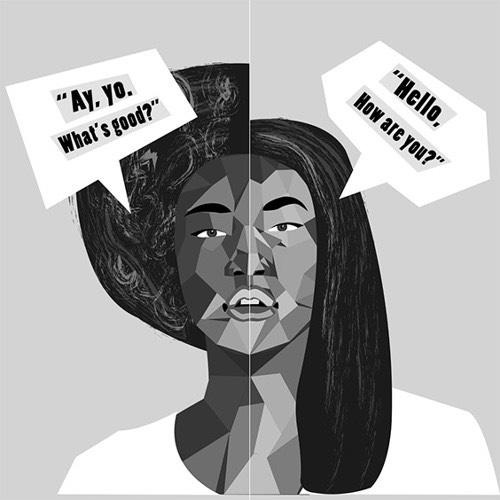
Writer Benjamín González Rojas also mentions how people navigate their personal identities with code switching. Rojas argued in his article “Code-Switching as Identity Negotiation in Multilingual Communities’’, “Participants also used code-switching to assert and negotiate their personal identity, often distinguishing between different aspects of their selfhood based on the context and the people they were interacting with. This aligns with Gumperz’s (1982) concept of“identity negotiation,” where individuals adjust their linguistic behavior to reflect different roles or affiliations” (Rojas 17). This shows us how code-switching doesn’t only help someone shape their identity but helps them maintain their identity.
In addition to shaping identity, code-switching works as a communication strategy. Bilingual speakers usually switch from one language to another to express their emotions better or clarify meaning. For example a friend might switch from English to Spanish when telling a joke or even explaining a situation that makes more sense in that context. Kamisah Ariffin and Shameem Rafik-Galea talk about how someone might have to adjust the language they speak to get a point across to their intended audience.
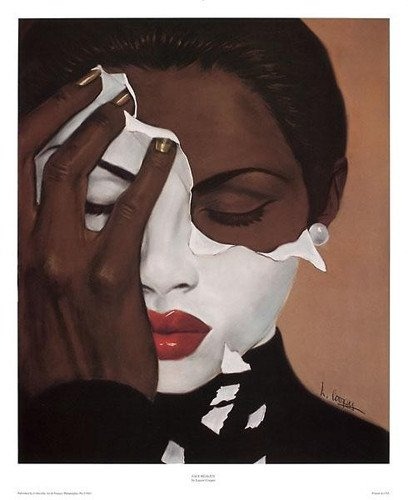
According to Writers Kamisah Ariffin and Shameem Rafik-Galea in their article “Code-switching as a Communication Device in Conversation”, “ Studies have also shown that speakers code-switch to reiterate or emphasize a point (Gal 1979). By repeating the same point in another language, the speaker is stressing or adding more point on the topic of discussion” (Ariffin and Galea 3). This demonstrates how code-switching allows speakers to jump back and forth from two different languages in order to address a certain situation or a certain emotion. Dr. Diane Hamilton also speaks about how switching from language to another is super beneficial when in a working environment. Hamilton argues in her article “ What is Code-Switching And Why Does It Matter In Communication”, “ For instance, a bilingual customer service agent may switch between languages to better serve clients, or a manager might adopt a more informal style when collaborating with creative teams and a more structured tone when meeting with legal or compliance teams” (Hamilton, par 11). This shows us how people often use code-switching as a tool especially when working in order for others to get a better understanding.
Code-switching is a tool many people use to fit in the environment they’re in at the time. It allows someone to shift the way they speak from one form to another, It also allows them to adapt to their environment. For instance many people code switch when speaking to their friends vs when speaking to someone of authority like a family member or a teacher. A teenager might use slang words when speaking to their friends but switch to speaking in a manner that is more formal when talking to a parent. In the article “3 ways to speak” Jamila Lyiscott mentions how she uses three ways to speak depending on who she’s around. “Cause I speak three tongues. One for each home, school and friends” ( Lyiscott 3). Many people just like Lyiscott tend to change up the way they speak depending on who they’re around in order to “fit in” and not be judged by others

Dhru Beeharilal also talks about in the article “Code- Switching and Identity Embracing an Intentional Approach” that many people depend on code switching to protect themselves almost like a shield. “By code-switching, we protect both ourselves and our connection to a certain community As minorities code switching in places such as school or work, we protect ourselves from judgment and discrimination by adhering to the “norm.” When we switch in our minority community, we maintain a special connection to others who share a language, dialect and presentation.” (Beeharilal, par 4). This initiates that by code switching in certain environments this protects and helps people from miscommunications or misunderstandings from others.
To sum up my overall argument we can see how code-switching is a part of everyone’s day to day life and how it all ties up to someone’s culture and identity and even their communication skills. Code-switching initially helps people out with building their identity and trying to maintain that identity while also trying to accommodate and be considerate of who’s around and the setting they’re in. This also relates to having to adjust your speaking skills depending on the environment you’re in at the moment. It allows you to read the room and adapt to your surroundings. And this all ties back to improving your communication skills. Code-switching not only helps you improve your communication skills but it also helps you build stronger connections with the people you’re speaking to. This is important because it shows us how code switching is a tool that everyone uses in their daily lives without even trying. It’s become something so natural for us that we don’t even notice we are code switching most of the time.


This entry is licensed under a Creative Commons Attribution-NonCommercial-ShareAlike 4.0 International license.

